

Rights and obligations of apartment residents
Resident participation is the foundation of healthy governance
Resident Participation Is the Foundation of Good Governance
Living in an apartment provides many rights that every resident can enjoy. These rights include access to shared facilities such as the lobby, gardens, swimming pool, fitness center, parking areas, security systems, and various other supporting amenities. Residents are also entitled to a clean, safe, orderly environment and professionally managed building operations. All of these facilities and services contribute to the quality of life that people expect when choosing to live in an apartment.
However, rights always come with responsibilities. One of the most fundamental obligations is paying the Environmental Management Fee (IPL) on time. The IPL serves as the primary source of funding for the building's daily operations, including cleaning services, security, maintenance of shared facilities, utilities, and repairs to the infrastructure used by residents every day. When this obligation is neglected, service quality inevitably declines, and the building's operational finances can become unbalanced.
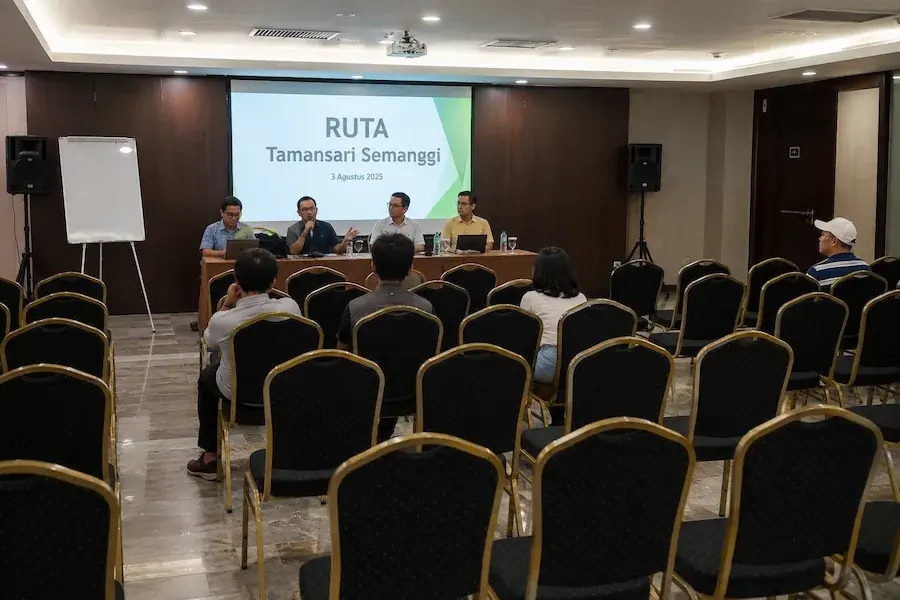
Beyond financial obligations, there is another responsibility that is often underestimated but has a significant impact: participating in the Annual General Meeting of Members (RUTA), particularly in the election of the management board and supervisory board. Casting a vote is not merely a formality; it is a responsibility that comes with being part of the residential community. The elected management and supervisors determine the direction of apartment governance, budget allocation, maintenance priorities, and the long-term vision for the development of the residential environment.
When resident participation is low, the election process may lose meaningful representation. Important decisions are ultimately made by only a small number of participants, making the outcome less reflective of the interests of the majority of residents. Such conditions may create opportunities for less transparent governance, weaker oversight, and limited evaluation of the management's performance.
The supervisory board plays a vital role in ensuring that every expenditure is accountable and serves the collective interests of all residents. Without effective oversight, maintenance projects, procurement activities, and operational programs may proceed without adequate control. As a result, operational costs may increase, efficiency may decline, and residents ultimately bear the consequences through higher fees or reduced service quality.
For this reason, the RUTA is more than just an annual event; it is the primary mechanism for maintaining accountability in apartment management. Residents who actively ask questions, provide constructive feedback, review financial reports, and exercise their voting rights help build a management system that is healthier, more transparent, and focused on long-term sustainability.
Ultimately, a well-managed apartment depends not only on its management and supervisory boards but also on the level of participation from its residents. Enjoying the facilities is a right, paying the IPL is an obligation, and helping determine the direction of apartment governance through the RUTA is a shared responsibility. The greater the participation of residents, the stronger the oversight, the more efficient the management, and the better the apartment's value, comfort, and sustainability will be preserved for the future.

Leave a comment
Your email address will not be published. Required fields are marked *
Follow Us